Part of the The Complete Guide to Mosquitoes: Identification, Prevention & Control guide.
The most effective time to kill a mosquito is before it can fly. Bacillus thuringiensis israelensis, abbreviated as Bti, does exactly that: it targets mosquito larvae in the water where they hatch and grow, eliminating them with exceptional biological precision while leaving fish, birds, pets, and humans completely unharmed. For anyone serious about reducing mosquito populations around their property, Bti is the most important single tool in the toolkit.
For a comprehensive overview, see our Complete Guide to Mosquitoes.
What Is Bti?
Bacillus thuringiensis israelensis is a naturally occurring soil bacterium first isolated in 1976 from the Negev Desert of Israel. It produces a suite of protein toxins (Cry and Cyt proteins) that are lethal to mosquito, black fly, and fungus gnat larvae, and completely inert in all other organisms.
When a mosquito larva ingests Bti, the toxin proteins are activated by the alkaline pH of the larval midgut and bind to specific receptor sites on the gut epithelium. The result is cell lysis, gut disruption, and larval death, typically within 24 hours. Vertebrates lack both the alkaline gut chemistry and the specific receptor proteins that Bti toxins require to activate, which is why the product carries an extraordinary safety record despite being genuinely lethal to its target insects.
According to the EPA, Bti is classified as a biopesticide and has been in active use in mosquito control programs since the early 1980s. No documented development of resistance in target mosquito populations has been observed under natural field conditions across four decades of continuous use.
Available Formulations
Bti is sold in several product forms, each suited to different applications:
| Formulation | Common Products | Best Application |
|---|---|---|
| Dunks (briquettes) | Mosquito Dunks | Birdbaths, rain barrels, ornamental ponds, pot saucers |
| Granules | Mosquito Bits, Summit Granules | Gutters, boggy ground areas, temporary puddles |
| Liquid concentrate | Various professional-grade products | Large-scale larviciding, ditches, marshes |
| Slow-release rings | Various | Permanent ornamental water features |
For a detailed breakdown of dunk products and placement guidance, see our mosquito dunks guide.
Mosquito Dunks
Dunks are the formulation most homeowners encounter first. Each doughnut-shaped disk contains a standardized concentration of Bti spores and proteins that release slowly into the water over 30 days. The EPA has registered dunks for use in any standing water, including potable water supplies after standard treatment, which reflects the product's safety ceiling clearly.
Mosquito Bits
Bits release Bti faster than dunks, delivering a kill within 24 hours, but with shorter residual activity. They work well for transient water sources or for rapid knockdown when a breeding site already has an established larval population. A practical approach is to use bits for initial treatment and a dunk for ongoing 30-day residual control.
How to Apply Bti Effectively
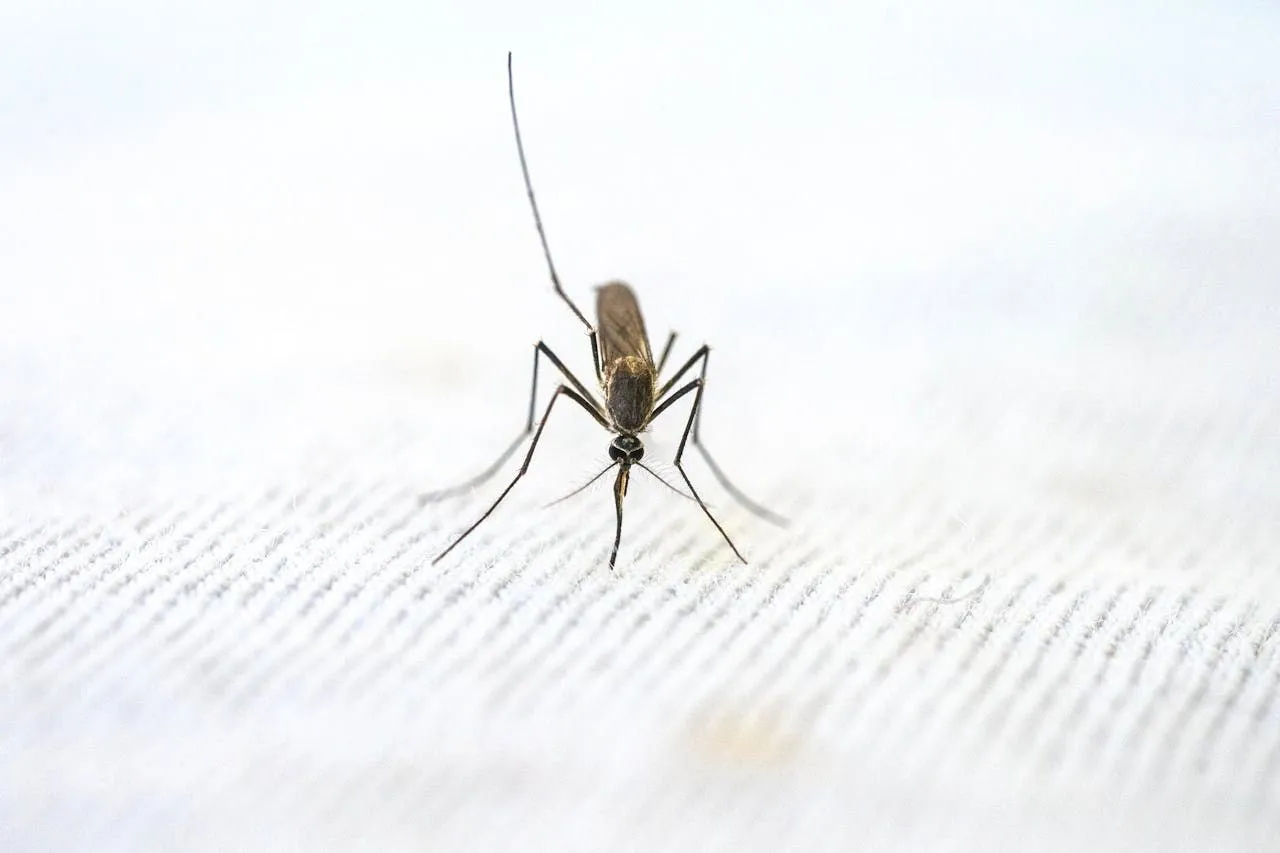
Correct application determines whether Bti delivers meaningful population control or becomes wasted product.
Identify and Target All Breeding Sites
Bti works in any standing water where mosquito larvae are present. The most common sites to treat include:
- Birdbaths: Break off roughly one quarter of a dunk; replace monthly
- Rain barrels: Use one full dunk; pair with a screen-mesh lid as a secondary barrier
- Ornamental ponds: Apply by surface area according to label; Bti is safe for fish, frogs, and aquatic invertebrates
- Storm drains and catch basins: Granular formulations distribute well in these irregular spaces
- Clogged gutters: Toss bits or granules directly into standing water in gutters, then address the drainage problem causing the standing water
- Low-lying boggy areas: Broadcast granules across the water surface
For a systematic property walkthrough to find every standing water source worth treating, work through each area methodically rather than treating only the obvious ones.
Application Rates and Timing
Apply according to label rates, which are based on water surface area rather than volume. Reapply every 30 days for dunks, or sooner if heavy rain significantly dilutes or displaces the product. In climates with intense summer rainfall, checking and replacing dunks every three to four weeks is more reliable than waiting for the full 30-day interval.
What Bti Does Not Do
Bti kills larvae only. It has no effect on pupae or adult mosquitoes. This makes it a prevention and long-term population-reduction tool rather than an emergency fix for an active adult mosquito problem. When adults are already a pressing issue, Bti needs to be combined with adulticide barrier treatments. Our mosquito spray for yard guide covers the adult control side of an integrated approach.
Safety Profile
The safety record of Bti is among the most extensively documented of any pesticide class. According to the EPA:
- No human health hazard from normal use exposure, including incidental ingestion of treated water
- No toxicity to birds, fish, mammals, amphibians, or reptiles at any realistic exposure level
- No documented harm to beneficial insects (bees, butterflies, predatory wasps) at label application rates
- Environmentally non-persistent: degrades within days to weeks in the environment when not replenished
According to the NPMA, Bti is a standard recommendation within integrated pest management programs precisely because it eliminates the target pest with biological precision while leaving the surrounding ecology intact.
Bti Compared to Other Larvicides
Other larvicide options see use in mosquito control programs:
- Methoprene (IGR): An insect growth regulator that prevents larvae from completing development into adults. Sold as Altosid, it is used alongside Bti in some programs. Methoprene has an excellent safety profile but carries some additional restrictions in certain sensitive aquatic environments.
- Temephos (Abate): An organophosphate historically used in large-scale programs, now being phased out in many settings due to environmental concerns and non-target effects.
- Spinosad: A fermentation-derived insecticide with some larval activity, though less specific to mosquitoes than Bti.
For most homeowner situations, Bti is the clear first choice: effective, widely available at garden centers and hardware stores nationwide, affordable on any budget, and appropriately selective without the environmental trade-offs associated with the alternatives.
In my 15 years of mosquito management work, Bti is the product I recommend to every homeowner without exception. The most common questions I receive are whether it will harm koi in a pond, a dog that drinks from a birdbath, or dragonfly larvae in a water feature. The answer to all three is no. What I find most satisfying about Bti is that it rewards consistent effort: treat every container that holds water, treat them on a monthly schedule, and the larval population collapses without any risk to the rest of the yard ecosystem.
Bti is the right choice for anyone serious about controlling mosquito larvae at the source. It kills with precision, carries no risk to non-target species, and slots cleanly into any layered mosquito management approach. Combine it with source elimination for water that can be drained, barrier sprays for adult control, and ongoing breeding site monitoring to gauge treatment effectiveness across the season.
Prevention
Bti is most effective as a prevention tool when applied consistently before larvae mature and emerge as biting adults. Incorporating Bti into a monthly property routine eliminates larval populations in standing water and breaks the production cycle at its most accessible point.
Apply Bti dunks to every permanent water feature at the start of mosquito season - birdbaths, rain barrels, ornamental ponds, and water gardens - and replace every 30 days through the end of the active season. Use Bti granules in gutters, drainage channels, and low-lying areas that collect temporary water after rain. In warm climates, begin treatment as soon as daytime temperatures consistently exceed 50 degrees Fahrenheit to intercept early larval cohorts.
Pair Bti treatment with source elimination: drain or overturn any container that does not need to hold water, and reserve Bti for water that genuinely cannot be removed. Monthly Bti maintenance combined with standing-water removal and intact window screens provides a complete prevention foundation without relying on adult insecticides against flying mosquitoes.
Main Causes
Yard and indoor mosquitoes activity is driven entirely by accessible standing water for larval development. Even small volumes — water in clogged gutters, plant saucers, birdbaths not refreshed weekly, tarps holding rain pools, unused tires, toy buckets, corrugated downspout extensions, and pet bowls — produce hundreds to thousands of adults per container per week. Adults rest in shaded vegetation during the day and emerge at dawn and dusk to seek hosts. They enter homes through torn screens, gaps around doors, and any time exterior doors are propped open in warm weather. Properties next to wetlands, drainage ditches, and shaded woodlots face higher baseline pressure even with clean yards.
How to Identify
Identify the active species and its breeding site before treating. Container-breeding species like Aedes aegypti and Asian tiger mosquitoes are day-biting, prefer artificial containers around homes, and produce eggs that survive months of drying. Culex mosquitoes are dusk-to-dawn biters that breed in standing water with organic content — clogged gutters, ditches, and stormwater catch basins. Walk the entire property and identify every container, depression, and surface holding water for more than a week. A flashlight inspection of standing water at night reveals wriggling larvae and tumbling pupae near the surface, confirming an active breeding site. Indoor activity usually traces to a single nearby breeding source, not to an interior breeding population.
Risk and Severity
Mosquitoes are the most significant vector-borne disease pests in North America. Documented locally transmitted diseases include West Nile virus, Eastern equine encephalitis, La Crosse encephalitis, and St. Louis encephalitis, with periodic outbreaks of Zika, dengue, and chikungunya in southern states. Mosquitoes also transmit canine heartworm, a serious veterinary concern requiring monthly prevention. Severity of bite reactions ranges from minor itching to large local reactions, and rare anaphylactic responses are documented. Risk concentrates in summer evenings, near standing water, and in shaded yards with dense vegetation. Children, the elderly, and immunocompromised individuals face elevated risk for serious illness from mosquito-borne infections, and properties near wetlands face sustained pressure.
Solutions and Actions
Mosquito control hinges on removing breeding water first. Walk the entire property weekly during mosquito season and dump every container, gutter, birdbath, plant saucer, and depression holding standing water. Treat ornamental water features with Bti larvicide (mosquito dunks) which is safe for fish, pets, and people. For yard adult activity, apply a residual insecticide barrier treatment to shaded resting areas — under decks, dense shrubs, fence lines, and woodlot edges. For individual protection during outdoor activity, use EPA-registered repellents containing DEET, picaridin, or IR3535 on exposed skin and treat clothing with permethrin. Inspect and repair window and door screens. Properties next to wetlands or drainage features may benefit from a professional barrier treatment program during peak season.
Frequently Asked Questions
How quickly does Bti kill mosquito larvae?
Larvae begin dying within 24 hours of ingesting Bti. A full larval population in a treated container is typically eliminated within 24 to 48 hours of application. Dunk formulations continue releasing active Bti for up to 30 days, targeting newly hatched larvae throughout that window.
Is Bti safe for fish ponds?
Yes. Bti poses no risk to fish, amphibians, or any aquatic vertebrates. Ornamental koi, goldfish, frogs, and turtles can coexist safely in Bti-treated water. Many wildlife pond managers use Bti specifically because it controls mosquito larvae without disrupting the broader aquatic ecology they are trying to support.
Does Bti work in turbid or heavily organic water?
Bti works best in moderately clean water. In very high-organic-load environments such as heavily stagnant storm drains, liquid concentrate formulations at higher application rates outperform dunks. Very dense algae or thick organic sludge can dilute and degrade the active proteins more rapidly. Reducing organic enrichment in the water source, where possible, makes Bti treatments more reliable and longer-lasting.
How is Bti larvicide different from broad mosquito control?
Bti targets the aquatic larval stage with unusual precision. Use it where water cannot be drained, refresh slow-release products monthly, and combine it with adult controls only when biting mosquitoes are already active.
Continue reading:
The Complete Guide to Mosquitoes: Identification, Prevention & Control →Sources & Further Reading
- About Mosquitoes — U.S. Centers for Disease Control and Prevention
- Insect Repellents Use and Safety — U.S. Environmental Protection Agency
- Vector-Borne Diseases — World Health Organization