Part of the The Complete Guide to Mosquitoes: Identification, Prevention & Control guide.
Most people itch after a mosquito bite and forget about it by the next morning. For some people, that reaction is dramatically amplified: swelling that extends well beyond the bite site, blistering, warmth, low-grade fever, and a reaction that persists for days rather than hours. This condition has a clinical name, Skeeter Syndrome, and it is more common than most people realize, particularly in young children and adults newly exposed to mosquito species they have not encountered before.
For a comprehensive overview, see our Complete Guide to Mosquitoes.
What Happens During a Mosquito Bite
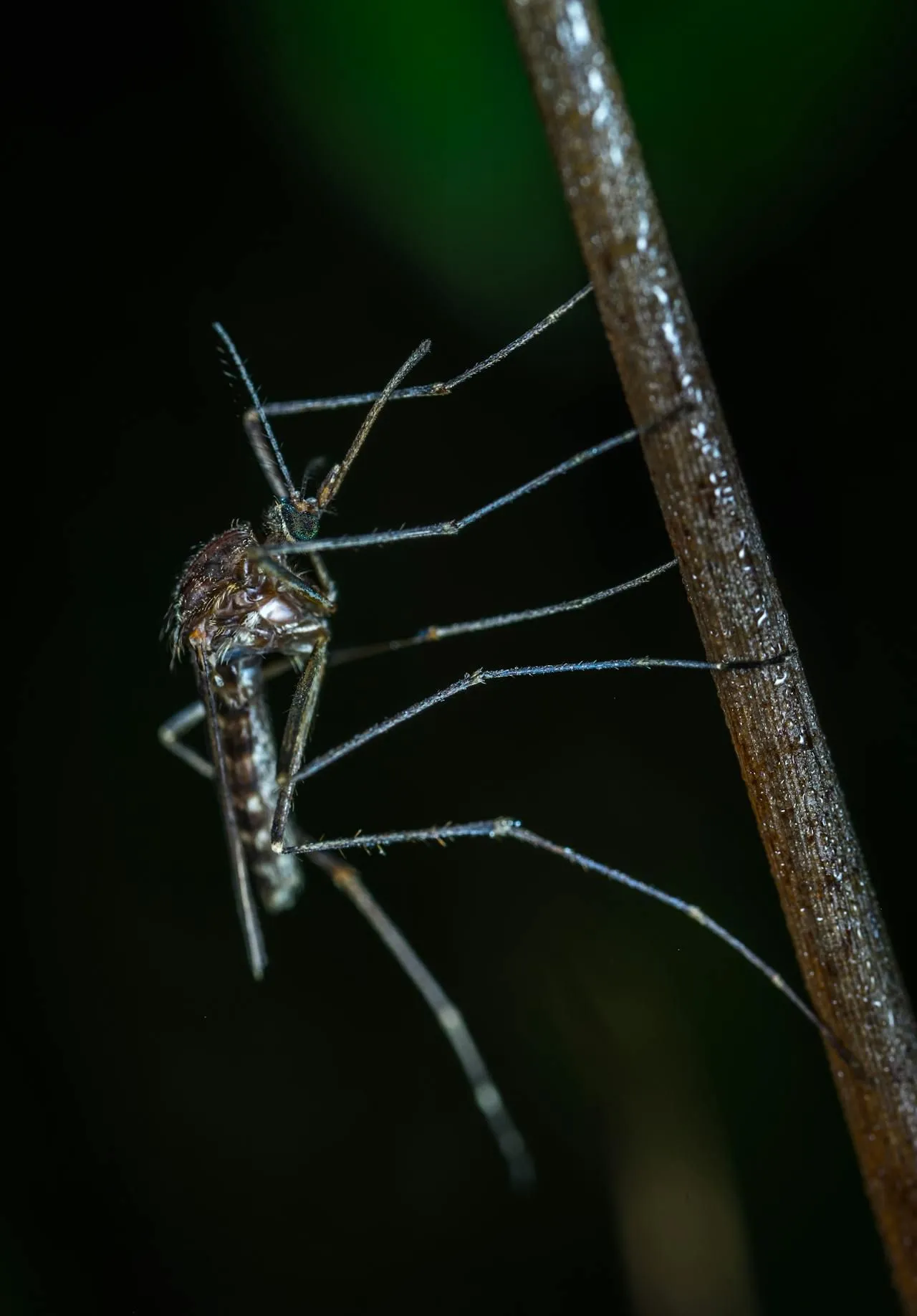
When a female mosquito feeds, she injects saliva into the skin as an anticoagulant, preventing blood from clotting while she draws her meal. That saliva contains dozens of proteins that the human immune system recognizes as foreign. In nearly everyone, this triggers a localized histamine response: the classic raised wheal (welt) that itches for a few hours to a couple of days before resolving without intervention.
For people with heightened sensitivity to mosquito salivary proteins, the immune response is disproportionate. The same proteins trigger an exaggerated reaction, ranging from mildly amplified itching all the way to a presentation that closely resembles a bacterial skin infection in its appearance and severity.
Skeeter Syndrome: Symptoms and Presentation
Skeeter Syndrome is the colloquial name for hypersensitivity to mosquito saliva proteins. It was formally characterized in medical literature in the early 2000s and is recognized by the NPMA as a distinct allergic condition separate from anaphylaxis. Unlike the universal mild itch response, Skeeter Syndrome typically involves:
- Rapid, pronounced swelling, often two to three times the expected bite size
- Warmth and redness extending beyond the bite margin
- Hard, indurated (firm) tissue around the bite site
- Bruising in some presentations
- Vesicles or blisters in more severe cases
- Low-grade fever accompanying large reactions
- Fatigue in especially severe episodes
Reactions typically develop within hours of the bite and persist for days. They can closely mimic cellulitis (bacterial skin infection) in appearance, which creates a genuine risk of misdiagnosis and unnecessary antibiotic treatment.
| Feature | Typical Bite | Skeeter Syndrome | Cellulitis |
|---|---|---|---|
| Onset timing | Minutes | Within hours | 24 to 48 hours after skin breach |
| Swelling extent | Small wheal | Large, spreading | Large, spreading |
| Warmth | Mild | Present | Present |
| Fever | No | Possible | Often present |
| Bite mark visible? | Yes | Yes | Often not visible |
| Improves with antihistamine? | Yes | Partially | No |
| Requires antibiotics? | No | No | Yes |
The distinction between Skeeter Syndrome and cellulitis matters clinically. Cellulitis is a bacterial infection requiring antibiotics. Skeeter Syndrome is an allergic reaction requiring antihistamines and anti-inflammatory treatment. The temporal relationship to a mosquito bite and the partial response to antihistamines are the key distinguishing features a clinician uses.
Who Is Most Affected
Skeeter Syndrome is not randomly distributed across the population. It tends to occur in specific groups:
- Young children: Their immune systems have had fewer exposures to mosquito salivary proteins and mount stronger responses on initial sensitization. According to the AAP, children with pronounced mosquito bite reactions are frequently experiencing Skeeter Syndrome rather than a bacterial infection.
- People relocating to new regions: Exposure to mosquito species with unfamiliar salivary protein profiles triggers heightened reactions. This is common among international travelers and people moving between geographic regions with different dominant mosquito species.
- Immunocompromised individuals: Certain primary immunodeficiency conditions are associated with more severe and atypical mosquito bite reactions.
- People with atopic disease: Those with eczema, hay fever, or asthma may mount stronger reactions to insect antigens than the general population.
Regular exposure over time tends to produce desensitization. Adults who have lived in high-mosquito environments for years typically experience milder bite reactions than they did in childhood, as the immune system develops tolerance to the local species' salivary protein profile.
Diagnosis
No dedicated commercial skin test or blood test for mosquito saliva allergy is in routine clinical use in the United States. Diagnosis is clinical, based on history and symptom pattern:
- Documentation of the size, timing, and progression of reactions following confirmed mosquito bites
- Exclusion of cellulitis through examination (looking at timeline, antihistamine response, and lack of a traumatic skin breach)
- Total IgE levels and specific IgE testing to mosquito salivary proteins where available through an allergist referral
- Skin prick testing with mosquito salivary gland extract through allergy specialists who have access to the extract
According to the NIH, research has identified multiple specific IgE-reactive proteins in mosquito saliva, including salivary enzymes and bioactive peptides. Standardized diagnostic extracts are under active development but not yet in widespread clinical use.
Treatment
Acute Management
For an acute Skeeter Syndrome reaction:
- Oral antihistamines (cetirizine, loratadine, fexofenadine): First-line treatment; reduce histamine-driven swelling and itching promptly
- Topical corticosteroids (betamethasone, triamcinolone, or over-the-counter hydrocortisone): Applied to the bite site to reduce local inflammation
- Oral corticosteroids: For severe reactions with extensive swelling, a short course of prednisone is occasionally prescribed by a physician
- Cold compresses: 10 to 15 minutes at a time reduces swelling and provides symptomatic relief without any medication
For a full step-by-step treatment protocol, see our mosquito bite treatment guide.
Prevention and Long-term Management
For individuals with recurrent or severe Skeeter Syndrome:
- Pre-treat with a non-sedating antihistamine (cetirizine or loratadine) before high-exposure outdoor activities during peak mosquito season
- Use EPA-registered repellents consistently and correctly; our mosquito repellent guide covers the most effective active ingredients and application guidance
- Wear long sleeves and pants and consider permethrin-treated clothing for outdoor activities in high-mosquito environments
- Eliminate standing water breeding sites around the home to reduce the local mosquito population and the frequency of potential exposures
Desensitization immunotherapy using mosquito salivary gland extract has been investigated in Japan, where a severe mosquito hypersensitivity syndrome associated with Epstein-Barr virus is documented. Results have been promising, but this approach is not yet standard practice in U.S. allergy care.
When to Seek Medical Attention
Skeeter Syndrome does not typically require emergency care, but medical evaluation is warranted when:
- Swelling involves the face, lips, tongue, or throat
- Breathing difficulty or wheezing accompanies the reaction
- Symptoms progress rapidly despite antihistamine treatment
- A child's reaction is extensive enough to limit limb movement or cause significant distress
- You cannot confidently distinguish the presentation from a bacterial skin infection
True anaphylaxis to mosquito saliva is rare but documented. Anyone with a history of systemic reactions to mosquito bites should consult an allergist, carry an epinephrine auto-injector, and wear medical alert identification. For a broader look at the full spectrum of allergic reactions to mosquito bites, see our mosquito bite allergy guide.
In my 15 years of pest management work, I have had parents contact me after their child was treated for what a clinician diagnosed as recurring skin infections from mosquito bites. After some discussion, the pattern almost always matches Skeeter Syndrome precisely: large, warm, swollen reactions that do not respond to antibiotics but improve with antihistamines. The parents' relief at learning there is a name for it, and that it is manageable through consistent prevention and appropriate acute treatment, is palpable every time. Aggressive repellent use and eliminating breeding sources around the home are the most practical starting points and reduce bite frequency meaningfully.
Skeeter Syndrome turns what most people consider a minor summer annoyance into a genuine health concern for those affected. Recognizing it as an allergic phenomenon rather than a bacterial infection is the first step toward appropriate management. Prevention, prompt antihistamine treatment, and medical consultation for severe cases are the cornerstones of care.
Main Causes
Skeeter syndrome and mosquito saliva allergy are caused by an exaggerated immune response to proteins in mosquito saliva. When a female mosquito feeds, she injects saliva containing anticoagulants, vasodilators, and dozens of bioactive compounds that prevent blood clotting and facilitate feeding.
In most people, these proteins trigger a routine local histamine response - the small, itchy weal that resolves within a day or two. In individuals with Skeeter syndrome, the immune system mounts a disproportionate reaction to the same proteins, producing large swelling, tissue inflammation, and sometimes fever.
The underlying cause is a heightened IgE-mediated or cellular immune response that develops through sensitization. First exposures rarely produce strong reactions. Some individuals develop progressive hypersensitivity rather than tolerance with repeated exposure, particularly young children, people with atopic conditions such as eczema or asthma, and those encountering an unfamiliar mosquito species for the first time. Regional relocation and travel to areas with different dominant mosquito species can reset or intensify this sensitization.
How to Identify
Identify the active species and its breeding site before treating. Container-breeding species like Aedes aegypti and Asian tiger mosquitoes are day-biting, prefer artificial containers around homes, and produce eggs that survive months of drying. Culex mosquitoes are dusk-to-dawn biters that breed in standing water with organic content — clogged gutters, ditches, and stormwater catch basins. Walk the entire property and identify every container, depression, and surface holding water for more than a week. A flashlight inspection of standing water at night reveals wriggling larvae and tumbling pupae near the surface, confirming an active breeding site. Indoor activity usually traces to a single nearby breeding source, not to an interior breeding population.
Risk and Severity
Mosquitoes are the most significant vector-borne disease pests in North America. Documented locally transmitted diseases include West Nile virus, Eastern equine encephalitis, La Crosse encephalitis, and St. Louis encephalitis, with periodic outbreaks of Zika, dengue, and chikungunya in southern states. Mosquitoes also transmit canine heartworm, a serious veterinary concern requiring monthly prevention. Severity of bite reactions ranges from minor itching to large local reactions, and rare anaphylactic responses are documented. Risk concentrates in summer evenings, near standing water, and in shaded yards with dense vegetation. Children, the elderly, and immunocompromised individuals face elevated risk for serious illness from mosquito-borne infections, and properties near wetlands face sustained pressure.
Solutions and Actions
Mosquito control hinges on removing breeding water first. Walk the entire property weekly during mosquito season and dump every container, gutter, birdbath, plant saucer, and depression holding standing water. Treat ornamental water features with Bti larvicide (mosquito dunks) which is safe for fish, pets, and people. For yard adult activity, apply a residual insecticide barrier treatment to shaded resting areas — under decks, dense shrubs, fence lines, and woodlot edges. For individual protection during outdoor activity, use EPA-registered repellents containing DEET, picaridin, or IR3535 on exposed skin and treat clothing with permethrin. Inspect and repair window and door screens. Properties next to wetlands or drainage features may benefit from a professional barrier treatment program during peak season.
Frequently Asked Questions
How do I know if I have Skeeter Syndrome or a skin infection?
Skeeter Syndrome develops within hours of a confirmed mosquito bite, improves at least partially with antihistamines, and has a clear temporal connection to mosquito exposure. Cellulitis usually develops 24 to 48 hours after a skin breach, does not respond to antihistamines, and requires antibiotic treatment for resolution. When the two cannot be confidently distinguished at home, a healthcare provider should evaluate which condition is present.
Can children outgrow Skeeter Syndrome?
Often yes. Repeated exposure to mosquito saliva proteins tends to produce immune tolerance over time. Children with Skeeter Syndrome frequently experience milder reactions as they age and accumulate more seasonal exposures. Moving to a new region with different dominant mosquito species can temporarily reset this tolerance, causing amplified reactions to restart before tolerance builds again.
Does Skeeter Syndrome increase my risk of getting a mosquito-borne disease?
No. The hypersensitivity reaction is specifically to mosquito saliva proteins, not to the viruses or parasites that mosquitoes sometimes carry. Whether you develop a severe skin reaction has no bearing on the probability of pathogen transmission from a given bite. Standard prevention measures, including repellents and source reduction, apply equally and independently of bite sensitivity.
How is Skeeter Syndrome different from ordinary mosquito bites?
Skeeter Syndrome is about immune overreaction, not normal itching. Large swelling within hours, partial antihistamine response, and recurring reactions after known bites point toward allergy rather than routine bite irritation.
Continue reading:
The Complete Guide to Mosquitoes: Identification, Prevention & Control →Sources & Further Reading
- About Mosquitoes — U.S. Centers for Disease Control and Prevention
- Insect Repellents Use and Safety — U.S. Environmental Protection Agency
- Vector-Borne Diseases — World Health Organization