Part of the The Complete Guide to Rodents: Identification, Prevention & Removal guide.
If you live in the southeastern United States and hear rustling in the brush along your fence line, there's a good chance you're sharing territory with the hispid cotton rat (Sigmodon hispidus) — one of North America's most abundant native rodents and one that most homeowners have never heard of. What they don't know can hurt them.
For a comprehensive overview, see our Complete Guide to Rodents.
What Is a Cotton Rat?
Cotton rats belong to the family Cricetidae and the genus Sigmodon, which comprises about 18 species distributed from the southern United States through Central and South America. Three species matter most to North American homeowners:
- Hispid cotton rat (Sigmodon hispidus): the most widespread, ranging from Virginia south to Florida and west through Texas into Arizona
- Yellow-nosed cotton rat (Sigmodon ochrognathus): restricted to Chihuahuan Desert borderlands in Texas, New Mexico, and Arizona
- Tawny-bellied cotton rat (Sigmodon fulviventer): found in desert grasslands of the Southwest
S. hispidus is the species most homeowners encounter, and it carries the most significant disease profile of the three.
Identification
Physical Description
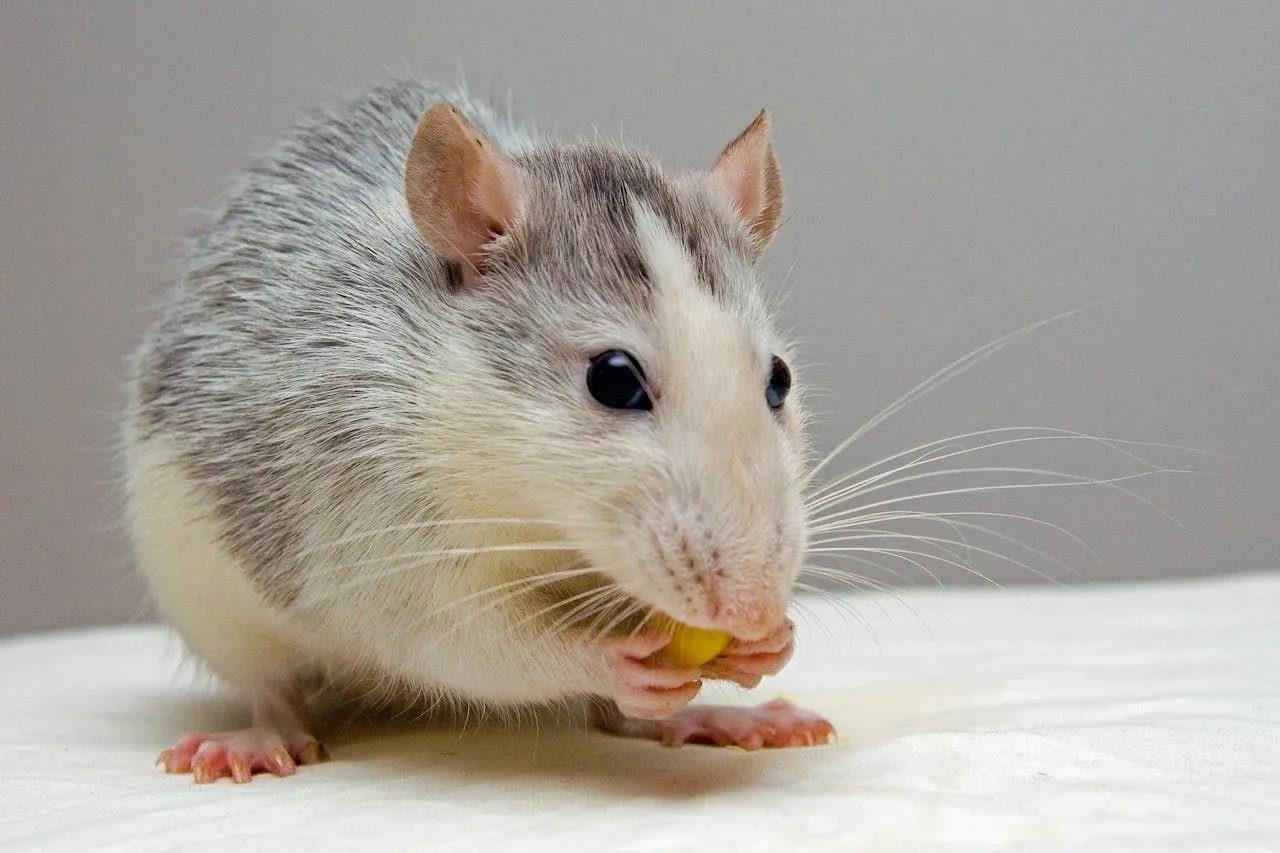
Cotton rats are stocky, medium-sized rodents frequently mistaken for Norway rats or voles. Key features include:
- Body length: 5 to 8 inches, not including the tail
- Tail: 3 to 4.5 inches, scaly, and noticeably shorter than the body — this distinguishes them from Norway rats, whose tails approach body length
- Fur: coarse and grizzled, brownish-gray on the dorsal surface with paler grayish-white undersides
- Ears: small and nearly hidden in fur, unlike the prominent ears of mice
- Eyes: small but functional, reflecting adequate low-light capability
- Weight: 2.5 to 7 ounces, with males typically larger than females
The "hispid" in the scientific name means rough or bristly — a useful tactile identification cue when you handle a trapped specimen with proper PPE. The coarse fur texture sets them apart immediately from the smoother-coated Norway rat.
Comparison Table: Cotton Rat vs. Similar Species
| Feature | Cotton Rat | Norway Rat | Deer Mouse |
|---|---|---|---|
| Body length | 5–8 in | 7–10 in | 3–4 in |
| Tail vs. body | Shorter | Roughly equal | Slightly shorter |
| Fur texture | Coarse, grizzled | Coarse, brown-gray | Smooth, bicolored |
| Ears | Small, hidden in fur | Medium | Large, prominent |
| Habitat | Fields, brushy margins | Structures, sewers | Rural, woodlands |
| Primary disease concern | Black Creek Canal hantavirus | Leptospirosis, Seoul virus | Sin Nombre hantavirus |
Range and Habitat
Hispid cotton rats are habitat generalists with a strong preference for dense, low-growing vegetation. They thrive in overgrown fields and pastures, roadside margins with tall grasses and weeds, agricultural areas (their fondness for cotton bolls gave them their common name), drainage ditches and canal banks, and brushy edges adjacent to wooded areas.
In central Florida, where I practice, cotton rat populations reach extraordinary densities in undeveloped lots and suburban edge habitat bordering wetlands. It's not unusual to flush several individuals from a small patch of palmetto scrub during an inspection — a density that surprises most homeowners who've never considered native rodents a concern.
The species rarely nests inside structures under normal conditions, but it does enter buildings near field margins during population peaks, particularly in late summer and fall when competition drives individuals into unfamiliar territory.
Behavior and Biology
Cotton rats are unusually active for rodents, operating throughout the day and night, though peak activity concentrates around dawn and dusk. Unlike Norway rats, they rarely burrow deep into soil. Instead, they create surface runways through dense vegetation: narrow, compacted paths where grass or thatch is pressed flat and droppings accumulate at intervals. Finding these runways is the key to diagnosing cotton rat activity.
They breed prolifically even by rodent standards. Females reach sexual maturity at roughly 40 days of age. Gestation lasts just 27 days, and litters contain 2 to 12 pups. In Florida and Gulf Coast states, breeding continues year-round with brief slowdowns during the coldest weeks. Populations cycle dramatically, alternating boom years with crashes, and those boom years are precisely when disease transmission risk spikes.
Diet consists primarily of plant matter — seeds, stems, and roots — with opportunistic consumption of insects and small vertebrates. Their adaptability makes them one of the most ecologically successful small mammals in the region.
Disease Risks
This is where cotton rats demand serious attention from homeowners and pest professionals alike. The CDC recognizes cotton rats as reservoir hosts for several pathogens of public health significance.
Hantavirus
The most serious threat is hantavirus pulmonary syndrome (HPS). While the deer mouse (Peromyscus maniculatus) and Sin Nombre virus dominate public awareness, cotton rats carry distinct strains. The Black Creek Canal virus, identified in Dade County, Florida in 1994, causes the same life-threatening respiratory syndrome as Sin Nombre virus, with S. hispidus confirmed as the primary reservoir. Our article on hantavirus covers transmission mechanics and prevention protocols in detail.
Transmission occurs through inhalation of aerosolized rodent urine, feces, or saliva. Anyone disturbing cotton rat runways or nests without respiratory protection carries a meaningful risk in endemic areas.
Venezuelan Equine Encephalitis
Cotton rats serve as amplifying hosts for Venezuelan equine encephalitis (VEE) virus, which circulates in enzootic cycles between mosquitoes and rodents throughout Florida and the Gulf states. Humans contract VEE through infected mosquito bites rather than direct rodent contact, but cotton rat population booms correlate with elevated transmission risk.
Plague
In western states where cotton rat range overlaps with plague-endemic areas, S. hispidus can carry Yersinia pestis through flea vectors, contributing to sylvatic plague cycles. This risk is geographically limited but not negligible in southeastern New Mexico and parts of Arizona and Texas.
Leptospirosis
Like most rodents, cotton rats shed Leptospira bacteria in urine. Contact with contaminated water or soil represents a transmission pathway, particularly in the swampy environments cotton rats favor along the Gulf Coast. See our guide on leptospirosis from rats for detailed prevention advice, including protective gear recommendations for wet-area inspections.
Signs of Activity Near Your Property
Because cotton rats rarely nest inside structures, infestation signs differ from typical rat indicators:
- Surface runways: 1 to 2 inch wide compressed paths through tall grass along fence lines or property edges
- Clipped vegetation: cotton rats clip grass stems at the base, leaving short stubs along active runways
- Droppings: dark, cylindrical, about 3/8 inch long, scattered along runways rather than in concentrated latrine areas
- Shallow nests: shredded grass tucked into dense vegetation rather than underground burrows
- Entry evidence: gnaw marks around ground-level gaps in structures adjacent to agricultural or overgrown land
Control and Prevention
In my 15 years in pest management, cotton rat complaints arrive most consistently in late summer and fall, when populations peak and field-adjacent homeowners start finding animals inside garages and outbuildings. The control approach here differs meaningfully from standard rat management.
Habitat Modification
Reducing suitable habitat is the most effective long-term measure. Mowing tall grass and weeds to within 18 inches of structures eliminates the cover and runway systems cotton rats depend on. This single step resolves perimeter pressure without any trapping in many cases and is the first recommendation I make during every cotton rat consultation.
Trapping
Standard snap traps placed perpendicular to runways, flush with the ground, produce good results. Cotton rats are not neophobic — unlike Norway rats, they investigate new objects readily — so placement along active runways works quickly. Bait with peanut butter or a small piece of apple. For trap selection guidance, see our comprehensive rat traps article.
Exclusion
Because cotton rats are opportunistic rather than persistent structural invaders, standard exclusion measures work well. Seal gaps at ground level with hardware cloth or metal flashing as detailed in our sealing entry points guide. Crawl space vents and gaps around utility penetrations at or below grade deserve special attention.
Safe Carcass and Nest Handling
Given the hantavirus risk, follow cleanup protocols recommended by the EPA: wear rubber or latex gloves, spray carcasses and nesting material with a disinfectant solution before handling, double-bag all waste, and wash hands thoroughly afterward. Never sweep or vacuum dry nesting material — this aerosolizes virus particles.
Cotton rats don't generate the media attention that Norway rats or deer mice do, but they deserve serious consideration from anyone living near field-edge habitat in the southeastern United States. Understanding what you're dealing with, and taking appropriate precautions, makes all the difference.
Prevention
Keeping cotton rats from reaching problem densities near your home requires sustained habitat management rather than reactive trapping. The most reliable long-term strategy is vegetation control: mow grass and weeds within 18 inches of all structures year-round, not just after signs appear. Remove brush piles, lumber stacks, and other ground-level debris that provide nesting cover along property edges.
Inspect foundation gaps, crawl space vents, and ground-level utility penetrations at least twice a year - once in early summer before populations peak, and again in early fall as rodents begin searching for winter shelter. Hardware cloth with openings no larger than one-quarter inch is the standard for vent screens and gap repairs in cotton rat territory.
In agricultural and semi-rural settings where cotton rat pressure is persistent, consider a permanent perimeter of short-mowed turf between field margins and structures. This cleared zone forces cotton rats to cross open ground, reducing the likelihood they reach your home undetected.
Main Causes
Indoor rodents activity starts when a single mouse or rat finds a gap, a food source, and a warm sheltered cavity. Mice exploit openings as small as a quarter inch; rats need only a half inch. Common entry points are gaps around utility penetrations, garage door corners, foundation cracks, dryer vents, gable vents, and tree branches touching roofs. Stored grain, pet food, birdseed, compost, fallen fruit, and unsecured trash provide the food. Wall voids, attics, crawl spaces, garages, and seldom-used cabinets give the shelter. Cold weather, drought, or construction disturbing established outdoor populations all push rodents indoors in pulses, and once breeding starts inside, populations double in weeks.
How to Identify
Confirm rodents are present with droppings, gnaw marks, tracks, rub marks, and direct observation. Mouse droppings are rice-grain-shaped and three to six millimeters long, scattered along travel routes near food. Rat droppings are larger — twelve to nineteen millimeters — and clustered near nesting areas. Fresh droppings are dark and moist; older droppings are gray and brittle. Gnaw marks on wood corners, plastic packaging, and wire insulation indicate active feeding paths. Greasy rub marks along baseboards and pipe penetrations come from oils transferring as rodents repeatedly use the same routes. Sounds in walls and ceilings between dusk and dawn confirm activity. Dust along baseboards or unscented talc powder briefly reveals fresh tracks.
Risk and Severity
Rodents are serious household pests on three fronts. They damage structures by gnawing wood, drywall, insulation, and — most dangerously — electrical wiring, with rodent-chewed wiring identified as a contributor to electrical fires. They contaminate food and surfaces with urine, droppings, and hair; rodent droppings transmit hantavirus, salmonella, leptospirosis, and lymphocytic choriomeningitis, and dried urine aerosolizes during cleanup, creating respiratory exposure risk. They also amplify household allergen loads. Populations expand quickly: a pair of mice produces fifty or more offspring per year under good conditions, and rats produce dozens. Severity scales with population size, structural access to food and shelter, and the presence of children, asthmatic occupants, or anyone immunocompromised.
Solutions and Actions
Eliminate rodent populations with a snap-trap or electronic-trap program rather than rodenticide where pets, children, or non-target wildlife are present. Set traps perpendicular to walls with the trigger end against the baseboard, baiting with peanut butter or chocolate spread, in every room with evidence of activity. Use at least six to twelve traps per problem area — most failed control attempts use too few traps. Inspect daily, reset, and remove caught animals promptly. Combine trapping with exclusion: seal every gap larger than a quarter inch with steel wool packed into the opening and sealed with caulk, hardware cloth over vents, and door sweeps. Remove food sources by sealing dry goods in metal or thick plastic containers and securing trash and pet food.
Frequently Asked Questions
Are cotton rats dangerous to handle?
Yes. Cotton rats are potential carriers of hantavirus strains, leptospirosis, and other pathogens. Never handle live or dead cotton rats with bare hands. Wear rubber or latex gloves and follow EPA-recommended disinfection protocols whenever removing carcasses or disturbing nesting areas — especially in poorly ventilated spaces where aerosolized particles accumulate.
Do cotton rats come inside homes?
Cotton rats are primarily field rodents and far less likely to establish inside structures than Norway rats or house mice. They do enter garages, sheds, and crawl spaces adjacent to overgrown fields, particularly during late-summer population peaks. Reducing field-edge habitat and sealing ground-level entry points prevents most structural intrusions.
How do I tell a cotton rat from a Norway rat?
The most reliable distinguishing features are tail length and fur texture. Cotton rats have scaly tails noticeably shorter than their bodies and distinctly coarse, grizzled fur. Norway rats have tails approaching body length and smoother, more uniformly brownish fur. Cotton rats also have smaller, nearly hidden ears compared to the more visible ears of Norway rats at any age.
What follow-up matters most after addressing cotton rats?
Recheck field-edge runways, clipped grass, scattered droppings, and ground-level gaps for several nights after mowing and trapping. If fresh runway activity continues, expand habitat reduction along fence lines and brushy margins before relying on more traps.
Continue reading:
The Complete Guide to Rodents: Identification, Prevention & Removal →Sources & Further Reading
- Rodents and Disease — U.S. Centers for Disease Control and Prevention
- Rodenticides — U.S. Environmental Protection Agency
- Rats and Mice — Pest Notes — University of California Statewide IPM Program